
Understanding the House Edge
The house edge is a crucial concept in the world of casinos, representing the mathematical advantage that the casino holds over players. This edge is expressed as a percentage and varies across different games. For example, games like blackjack and baccarat typically have a lower house edge compared to slot machines, which can be significantly higher. Players interested in maximizing their chances often consider options like online casino uk fast withdrawal to enhance their overall experience, understanding that this edge is fundamental for those who wish to navigate their gambling experience strategically and potentially minimize losses over time.
Each casino game employs a distinct set of rules and odds, which directly influence the house edge. By grasping how these elements work together, players can make informed decisions about which games to choose and how to strategize their play. For instance, if a player opts for a game with a lower house edge, they theoretically stand a better chance of winning compared to a game with a high edge. This understanding helps players set realistic expectations for their gambling endeavors.
Moreover, the house edge is not just a static figure; it can be influenced by factors such as player skill, betting strategies, and even the specific rules of the game variant being played. This dynamic nature implies that while the house edge offers an overview of a game’s profitability for the casino, it doesn’t tell the whole story. Players who hone their skills and strategies can somewhat mitigate the inherent advantage held by the casino, thus enhancing their chances of success in the long run.
Can Players Overcome the House Edge?
While it’s widely acknowledged that the house edge is designed to secure a profit for casinos, many players wonder whether they can ever surpass this mathematical barrier. The simple answer is that while it is challenging, certain strategies and skills can help players achieve favorable outcomes. For example, games like poker rely heavily on skill and strategy, giving players the opportunity to make decisions that can affect the game’s outcome and potentially counteract the house edge.
Another noteworthy example is blackjack, where players who employ strategies such as card counting can significantly reduce the house edge. Card counting is a method where players keep track of the cards that have been dealt to gauge the likelihood of certain cards being drawn. Although this technique requires a great deal of practice and concentration, successful practitioners can shift the odds slightly in their favor, showcasing that players can have a tangible impact on the game’s outcome.
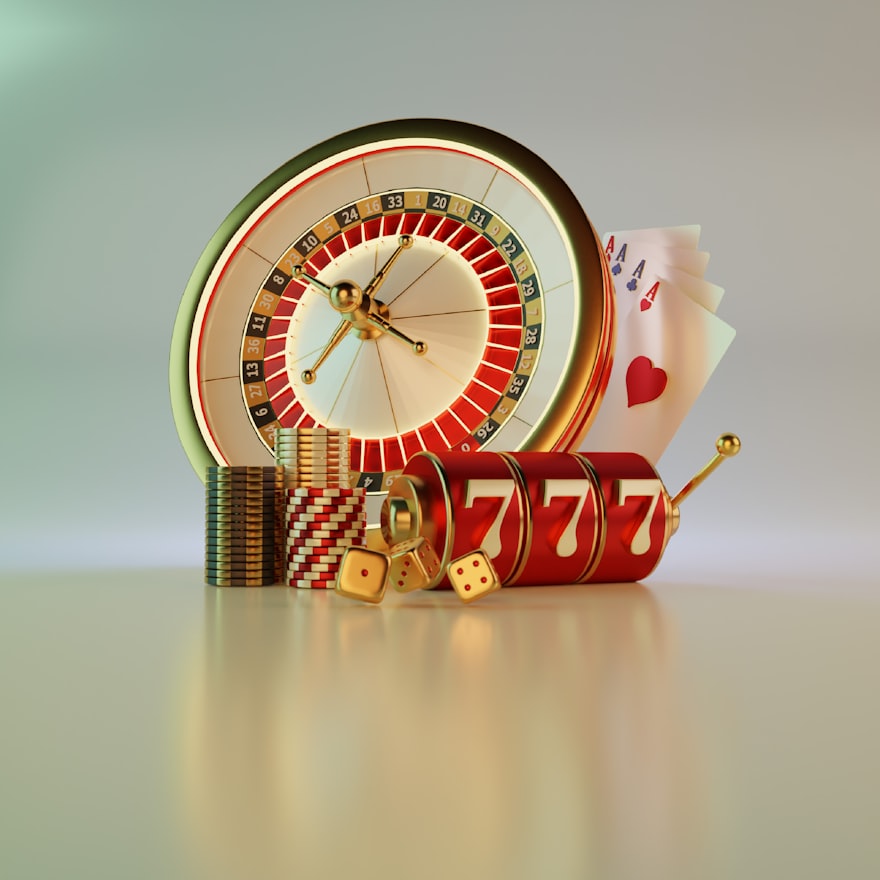
However, players must remain realistic about their goals. The house edge ensures that casinos remain profitable in the long run, making it crucial for players to practice responsible gambling. Progressing beyond the house edge often necessitates a combination of skill, strategy, and, at times, a little bit of luck. Understanding these dynamics is essential for any player looking to engage with casino games seriously while maintaining a healthy relationship with gambling.
The Role of Strategy and Skill
Developing a solid strategy is essential for players who are determined to maximize their chances in a casino setting. For table games like blackjack, players can utilize strategies like splitting and doubling down based on the dealer’s upcard. Such strategies can help reduce the house edge considerably, giving players a fighting chance. This tactical approach is especially vital in games where skill plays a more significant role than pure chance, allowing players to make informed decisions that can lead to better outcomes.
In addition to table games, certain strategies can also be applied to slot machines. While the odds are primarily governed by random number generator technology, players can choose machines with better payout percentages. Researching which slots offer higher returns can be an effective way to improve one’s chances. Moreover, understanding machine volatility can help players find games that align with their risk appetite and payout expectations, ultimately enhancing their overall gaming experience.
It’s essential to recognize that while strategy can enhance gameplay, it’s not a guaranteed pathway to success. The unpredictable nature of gambling means that outcomes can never be fully controlled. Thus, players who engage with casinos should focus on playing for enjoyment while implementing strategies to enhance their experience. Balancing fun and strategy can lead to a more rewarding gambling journey, where the emphasis lies on enjoyment rather than solely on winning.
Psychological Aspects of Gambling
The psychological aspects of gambling play a significant role in whether players perceive they can beat the house edge. Many players fall into the trap of cognitive biases, such as the gambler’s fallacy, where they believe future outcomes are influenced by past events. For instance, someone might think that a slot machine is “due” for a payout because it hasn’t paid out in a while. This misconception can lead to overconfidence or reckless betting, which ultimately impacts their overall experience and financial standing.
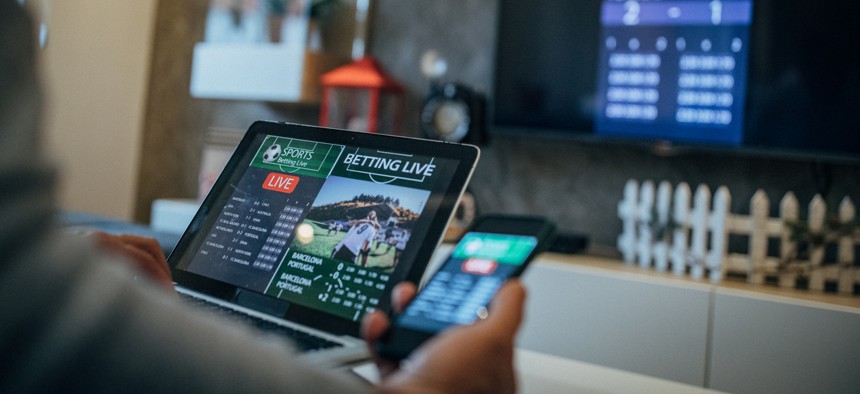
Additionally, the thrill of gambling can create an emotional rollercoaster that influences decision-making. High-stakes situations can lead players to make impulsive choices rather than rational ones. To counteract this, players should cultivate a mindset centered on self-discipline and awareness of their emotions while gambling. This conscious approach allows them to make more calculated decisions, enhancing their gameplay and potentially mitigating losses through informed choices and emotional regulation.
Furthermore, practice and thorough research into the games can build confidence, allowing players to feel more in control and less reliant on luck. Another key psychological factor is setting limits and managing one’s bankroll effectively. Implementing strict budgets and time limits can help players resist the urge to chase losses, ultimately leading to a more enjoyable and balanced gambling experience. Acknowledging emotional triggers can empower players to make better decisions and engage in healthier gambling habits.
Conclusion: The Balance of Enjoyment and Reality
In conclusion, while players may aspire to beat the house edge in casinos, understanding the underlying mathematics and psychology of gambling is crucial. The house edge is an integral part of casino games that ensures the establishment’s profitability, yet players can enhance their success through strategies, skill development, and responsible gaming practices. Recognizing the limits of personal influence can help players approach gambling with a healthier mindset, balancing aspirations with realistic expectations.
Ultimately, the most important aspect of engaging with casino games should be enjoyment and entertainment. While the thrill of potentially winning is appealing, the experience should not solely focus on defeating the odds. Players who adopt a balanced approach to gambling, incorporating strategy and awareness, can enhance their enjoyment while respecting the realities of gaming. This balanced perspective fosters a more sustainable and enjoyable gambling experience for all.
As you explore the world of casinos, our website offers a wealth of resources and insights to help you on your journey. From strategies for various games to tips on responsible gambling, we aim to empower players with the knowledge they need to make informed decisions. By blending enjoyment with awareness, you can embark on a fulfilling gambling adventure while minimizing risks and maximizing your experience. Our goal is to provide you with the tools necessary for a safe and enjoyable gaming environment.