
The Nature of Luck in Gambling
Luck is often viewed as a pivotal factor in the world of gambling, especially in environments like casinos where chance plays a critical role. The idea that luck can influence the outcome of games adds an element of excitement and unpredictability that draws many to the tables and slots, including those who explore new betting sites that offer unique experiences. Gamblers frequently indulge in rituals and superstitions, believing that certain actions or behaviors can invoke good fortune. However, while luck may provide a thrill, it is essential to understand how it interacts with the mechanics of the games.
The perception of luck is inherently subjective; different players may experience varying outcomes based on belief and psychological factors. For instance, a player’s mindset can significantly affect their approach to risk and decision-making. If a person feels lucky, they may take more chances, often leading to unforeseen outcomes. Conversely, if they feel unlucky, they may become overly cautious, which can also skew their experiences. This interplay between psychology and luck creates a unique gambling environment where beliefs can shape player behavior.
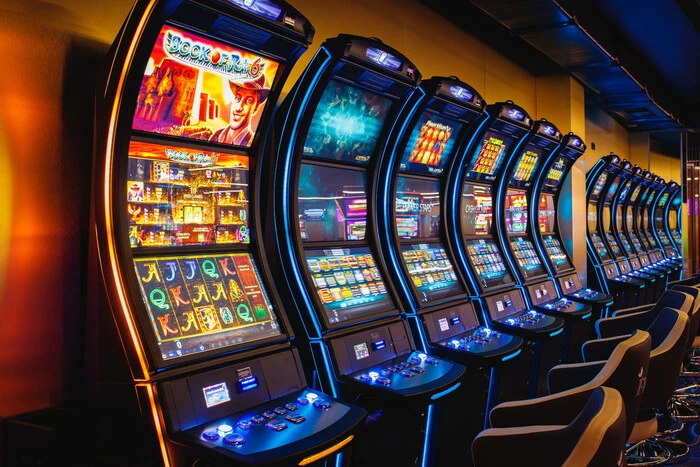
Despite the allure of luck, it’s vital to recognize that most casino games are structured around mathematical probabilities. For example, slot machines operate using random number generators, meaning outcomes are entirely random and not influenced by previous spins or player actions. Therefore, while luck may feel influential, it is essential to remember that the underlying mechanics of the games do not change. Ultimately, understanding the role of luck can help players maintain a realistic perspective on their casino experiences.
The Influence of Superstitions
Superstitions are deeply rooted in the culture of gambling and often influence player behavior in a casino setting. Many gamblers engage in specific rituals or practices in the hope of channeling luck or avoiding misfortune. For example, some players might wear ‘lucky’ clothing, insist on sitting in a particular seat, or even engage in specific actions before placing their bets. These behaviors highlight the human tendency to find patterns and assign meaning to random occurrences, thus enhancing the overall experience.
Interestingly, these rituals can provide a psychological boost, making players feel more in control of their outcomes. When a player believes their actions can impact luck, it can lead to increased enjoyment and engagement with the games. This phenomenon reflects the placebo effect, where belief in a positive outcome can affect performance and satisfaction. However, while superstitions may create a more enjoyable experience, they do not alter the odds or outcomes dictated by the games’ inherent randomness.
Furthermore, the prevalence of superstitions varies across cultures and individuals, adding layers to the casino experience. For example, certain rituals might be commonplace in one region but entirely absent in another. As casinos aim to create a welcoming atmosphere, understanding these cultural nuances becomes essential. This knowledge not only enhances the player experience but also fosters a more inclusive environment for visitors from diverse backgrounds.
The Balance Between Skill and Luck
While luck plays a significant role in many casino games, skill is also an influential factor, particularly in games such as poker and blackjack. In these instances, players can apply strategies and techniques to improve their odds. By understanding odds, probabilities, and the psychological aspects of opponents, skilled players can leverage their knowledge to make more informed decisions, potentially countering the unpredictable nature of luck.
In contrast, games like roulette and slots rely almost entirely on chance, with minimal input from players in terms of strategy. This distinction highlights the importance of recognizing game types when assessing the role of skill versus luck. Players who gravitate towards skill-based games often seek to combine their understanding of the game mechanics with their intuition, thereby ensuring a more engaging experience. This ability to influence the outcome through skill can create a sense of empowerment, offsetting the randomness associated with luck.
The balance between skill and luck may also affect gambling behavior. Players who excel in skillful games might exhibit a lower tolerance for the pure luck-based games, perceiving them as less challenging. Alternatively, those who thrive on the thrill of chance might gravitate away from strategic games due to their complexity. Acknowledging this balance is critical for players looking to maximize their enjoyment and potentially their success during their casino visits.
The Role of Environment in Influencing Luck
The ambiance of a casino can significantly impact a player’s perception of luck. Elements such as lighting, music, and overall atmosphere contribute to a psychological setting that can either uplift or deter a player’s belief in their luck. A lively environment filled with sounds of coin clinks and cheers can create a sense of euphoria, making players feel more fortunate and likely to continue placing bets. In contrast, a quieter, less engaging setting can prompt feelings of self-doubt and decrease a player’s willingness to take risks.

Moreover, interaction with other players can also enhance the sense of luck in a casino. Socializing and sharing experiences can make players feel part of a larger community, which may lead to positive emotions and a heightened belief in good luck. This social aspect of gambling is a significant draw for many, as it fosters connections and shared excitement. When players cheer each other on, it reinforces the idea that luck is a shared experience, further heightening the thrill of the game.
Casinos often recognize the importance of environment in cultivating a vibrant atmosphere. By incorporating elements that enhance player experience—such as carefully curated layouts and engaging entertainment options—casinos strive to create conditions that encourage players to embrace their luck. This focus on environment blends with the concept of luck, illustrating how external factors can shape one’s gambling experience.
Conclusion: Understanding Luck and Its Impact
In conclusion, while luck certainly plays a role in the casino experience, it is essential to approach it with a balanced perspective. Superstitions, psychology, skill, and environmental factors all contribute to how players perceive luck and its influence on their experiences. Recognizing that luck is intertwined with the inherent randomness of games can help players manage their expectations and enjoy their time in a casino setting.
Understanding the dynamics between luck and player behavior can foster a healthier approach to gambling. By appreciating the thrill of chance while also acknowledging the importance of strategy in certain games, players can enhance their overall experience. The blend of luck and personal skill creates a unique tapestry that defines the casino journey.
As you explore the world of casinos, remember that luck is just one component of a multifaceted experience. Embrace the excitement, acknowledge the unpredictability, and most importantly, engage in responsible gambling practices. Enjoying the experience should always remain the primary goal, making every visit to a casino memorable and thrilling.